
The Complete Guide to Skin Barrier Repair (Dermatologist-Style Guide)
Healthy skin starts with a strong skin barrier. When this protective layer becomes damaged, the process of skin barrier repair becomes essential for restoring hydration, resilience, and comfort.
Many modern skincare routines unintentionally damage the skin barrier through excessive exfoliation, harsh ingredients, or overuse of active treatments. The pursuit of flawless skin can sometimes lead to over-treating, which weakens the very foundation that keeps skin healthy. Fortunately, with the right approach, the skin barrier can be repaired and restored.
In this complete guide, we'll explain what the skin barrier is, how it becomes damaged, and the most effective strategies to restore healthy, resilient skin.
Skin Barrier Repair Quick Summary
If your skin barrier is damaged, the right skincare routine can help restore it over time. Here are the key points to understand:
• The skin barrier is the outer protective layer of the skin that prevents moisture loss and protects against irritation
• Common signs of damage include dryness, redness, sensitivity, flaking, and breakouts
• Over-exfoliation, harsh cleansers, and excessive use of active ingredients are common causes of barrier damage
• Ingredients such as ceramides, niacinamide, hyaluronic acid, and panthenol help support skin barrier repair
• Mild barrier damage may improve within 1–2 weeks, while more significant damage can take 4–8 weeks to fully repair
• A simple routine with gentle cleansing, hydration, and daily sunscreen supports long-term skin health
Understanding how the skin barrier works is the first step toward restoring balanced, resilient skin.
Not Sure What Your Skin Needs?
If you're experiencing skin sensitivity, dryness, or irritation but aren't sure whether your skin barrier is compromised or what type of routine would work best for you, our Korean Skincare Quiz can help. This quick diagnostic tool helps you better understand your skin type, barrier condition, and which gentle formulas may support your skin's unique needs.
Table of Contents
• What Is Skin Barrier Repair
• What Is the Skin Barrier
• Signs of a Damaged Skin Barrier
• What Causes Skin Barrier Damage
• How Long Does Skin Barrier Repair Take?
• Best Ingredients for Skin Barrier Repair
• Skin Barrier Repair Routine
• Ingredients to Avoid During Barrier Repair
• Why Gentle Korean Skincare Supports Barrier Health
• Final Thoughts
What Is Skin Barrier Repair?
Skin barrier repair refers to restoring the outermost protective layer of the skin, known as the stratum corneum. When this layer becomes damaged, the skin loses moisture and becomes sensitive to irritation. Barrier repair focuses on replenishing lipids such as ceramides and strengthening the skin's natural defense system.
What Is the Skin Barrier?
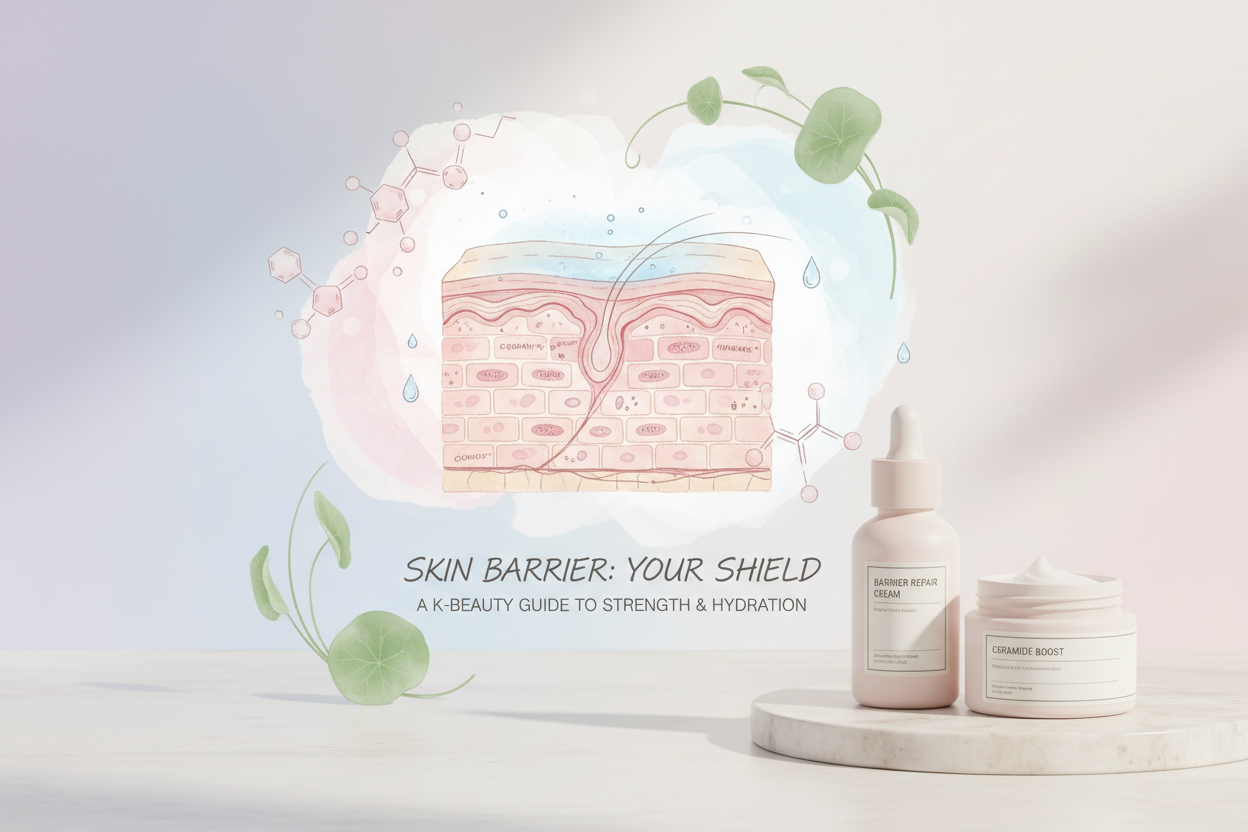
The skin barrier, also known as the stratum corneum, is the outermost layer of the skin. It consists of skin cells held together by lipids such as ceramides, cholesterol, and fatty acids.
Dermatologists often describe the skin barrier as the foundation of healthy skin because it regulates moisture balance while protecting against environmental stress.
A helpful way to imagine the skin barrier is the classic "brick and mortar" model:
• Skin cells act as the bricks
• Lipids act as the mortar that holds everything together
When this structure is intact, the skin can:
• Retain moisture effectively
• Protect against pollution and bacteria
• Maintain a smooth, healthy appearance
When the barrier weakens, the skin loses water more easily and becomes vulnerable to irritation and inflammation.
Signs of a Damaged Skin Barrier
A compromised skin barrier often shows clear signs. Common symptoms include:
• Persistent dryness or dehydration
• Increased skin sensitivity
• Redness or inflammation
• Stinging when applying skincare products
• Flaky or rough texture
• Breakouts caused by irritation
Many people notice these symptoms after introducing too many active ingredients such as exfoliating acids or retinol.
Recognizing these early warning signs can help prevent long-term skin irritation. For a more detailed breakdown, read our guide on how to tell if your skin barrier is damaged.
What Does a Damaged Skin Barrier Look Like?
Damaged skin barrier symptoms often appear suddenly after introducing strong skincare ingredients or over-exfoliating. Common visual signs include:
• Redness or blotchy skin
• Shiny but dehydrated skin
• Increased breakouts
• Flaking or peeling
• Burning or stinging when applying products
These symptoms usually indicate the skin barrier has become compromised and needs time to recover.
What Causes Skin Barrier Damage?
Several common habits can weaken the skin barrier.
Over-Exfoliation
Frequent use of chemical exfoliants such as AHAs, BHAs, or scrubs can remove protective lipids from the skin. If you've been using too many exfoliants, our guide on how to repair over-exfoliated skin provides specific recovery strategies.
Harsh Cleansers
Foaming cleansers with strong surfactants may strip natural oils that help maintain the barrier.
Overuse of Active Ingredients
Ingredients such as retinol, acids, and strong vitamin C treatments can overwhelm the skin if used too frequently.
Environmental Stress
Pollution, UV radiation, and cold or dry climates can gradually weaken the skin barrier.
How Long Does Skin Barrier Repair Take?
The timeline for skin barrier repair depends on the level of damage.
Mild irritation may improve within one to two weeks with a simplified skincare routine.
More significant damage often requires four to eight weeks for the skin barrier to fully recover.
Consistency is essential. Using gentle products and avoiding aggressive treatments allows the skin time to rebuild its protective lipid structure.
For a detailed breakdown of what to expect during each phase of recovery, read our guide on how long it takes to repair your skin barrier.
The Best Ingredients for Skin Barrier Repair
Certain ingredients are especially effective at restoring the skin barrier.
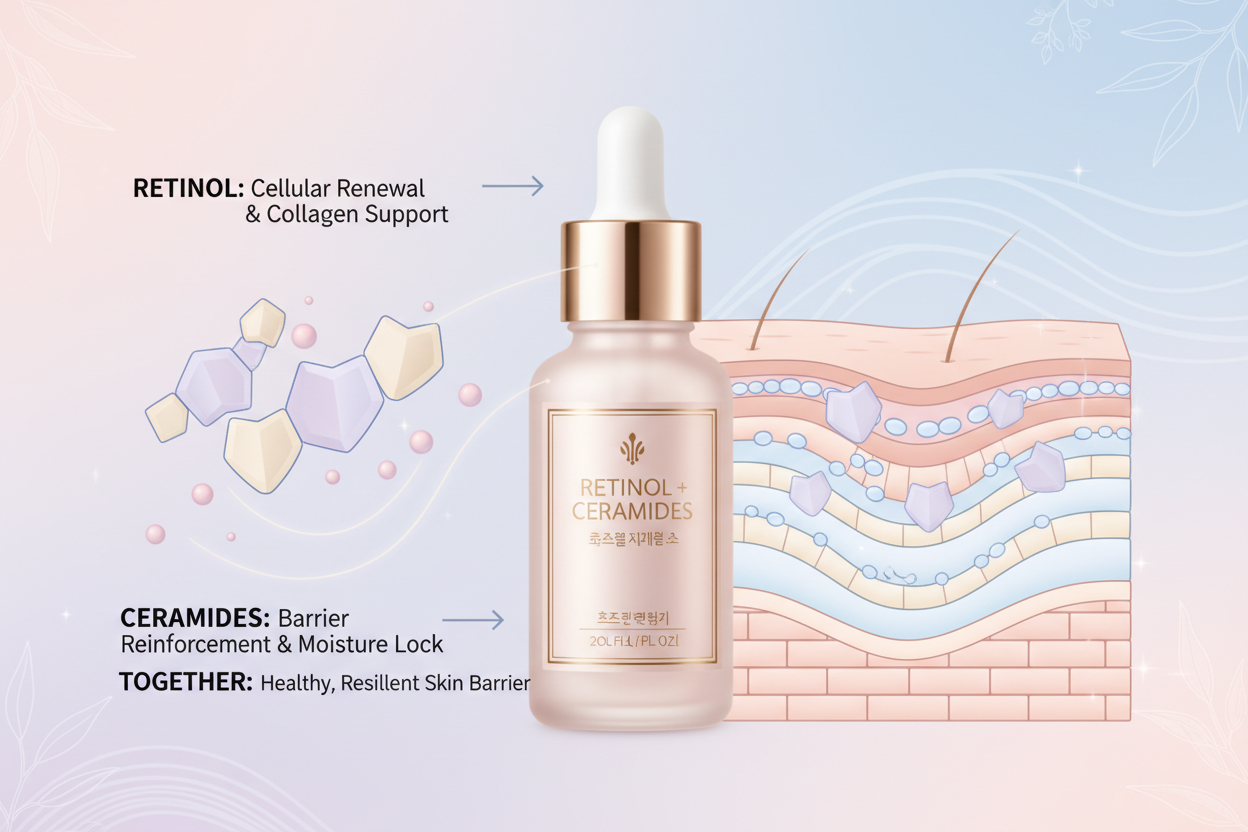
Ceramides
Ceramides are essential lipids naturally found in the skin. Skincare products containing ceramides help replenish lost lipids and strengthen the barrier. Learn more about the science behind ceramides in our complete ceramide guide for barrier repair.
Niacinamide
Niacinamide supports barrier repair while helping calm redness and improve skin resilience.
Hyaluronic Acid
This ingredient attracts and retains moisture, helping the skin remain hydrated while healing.
Panthenol
Also known as vitamin B5, panthenol helps soothe irritation and support skin recovery.
A Simple Skin Barrier Repair Routine
When repairing a damaged skin barrier, simplicity is key.
Step 1 – Gentle Cleanser
Use a mild cleanser that removes impurities without stripping natural oils.
Step 2 – Hydrating Toner or Essence
Lightweight hydration prepares the skin to absorb nourishing ingredients.
Step 3 – Barrier Repair Serum
Look for formulas containing ceramides, niacinamide, and soothing botanical extracts.
Step 4 – Moisturizer
A nourishing moisturizer helps seal hydration and reinforce the barrier.
Step 5 – Sunscreen
Daily sun protection prevents additional environmental stress on the skin.
A consistent routine focused on hydration and barrier-supporting ingredients allows the skin barrier to gradually rebuild its protective lipid structure.
Ingredients to Avoid During Skin Barrier Repair
While the skin barrier heals, it's best to avoid ingredients that may cause additional irritation.
These include:
• Strong exfoliating acids
• High concentrations of retinol
• Fragrance or essential oils
• Alcohol-heavy formulations
A gentle, minimalist routine helps the skin recover faster.
Why Gentle Korean Skincare Routines Support Skin Barrier Health
Korean skincare routines are known for emphasizing hydration and barrier support. Many formulations focus on ingredients such as ceramides, centella asiatica, and fermented extracts that help maintain skin balance.
This philosophy prioritizes long-term skin health rather than aggressive treatments, making it especially beneficial for repairing a damaged skin barrier.
Final Thoughts: Restoring Healthy Skin
Repairing the skin barrier requires patience and a gentle approach. By simplifying your skincare routine, focusing on barrier-supporting ingredients, and avoiding harsh treatments, the skin can gradually restore its natural protective function.
Healthy skin is not achieved through aggressive routines but through consistent care that supports the skin's natural balance.
Supporting Your Skin Barrier
Gentle skincare routines and barrier-supporting ingredients like ceramides and niacinamide can help restore skin balance over time. If your skin barrier is currently compromised, exploring skincare designed to support hydration and skin barrier health can make a meaningful difference in how your skin looks and feels.
Supporting your skin barrier with gentle routines and barrier-repair ingredients is one of the most effective ways to maintain healthy, resilient skin over time.





Leave a comment
This site is protected by hCaptcha and the hCaptcha Privacy Policy and Terms of Service apply.