
Skin Barrier Blueprint: How to Repair and Strengthen Your Skin Barrier Before Using Retinol
Why the Skin Barrier Is the Foundation of Healthy Skin
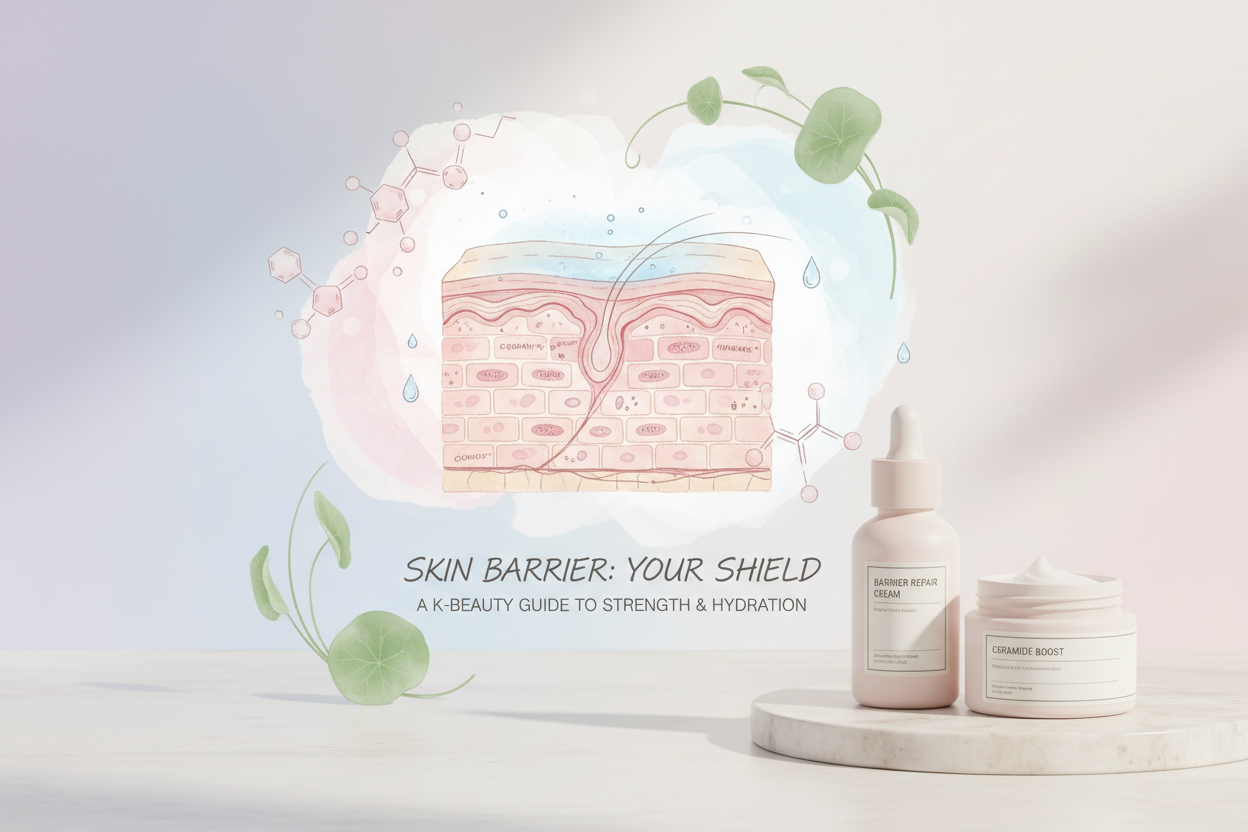
The skin barrier, scientifically known as the stratum corneum, is the outermost layer of the skin. Its job is to protect the body from environmental stress while preventing moisture from escaping.
When the skin barrier is functioning properly, the skin appears smooth, hydrated, and resilient.
However, when the barrier becomes damaged, the skin can quickly develop symptoms such as dryness, irritation, redness, and increased sensitivity to skincare products.
According to dermatology research referenced by institutions such as the Cleveland Clinic, a weakened skin barrier can allow irritants and allergens to penetrate the skin more easily while allowing hydration to escape.
Common Signs Your Skin Barrier Is Damaged
Many people unknowingly damage their skin barrier by over-exfoliating or introducing strong active ingredients too quickly.
Some of the most common signs include:
- persistent dryness
- redness and irritation
- stinging when applying skincare products
- rough or flaky skin texture
- increased sensitivity to retinol or exfoliating acids
If you notice these symptoms, it is often a sign that your skin barrier requires repair before introducing additional active ingredients. Learn more about identifying signs of a damaged skin barrier.
The Hidden Cause of Barrier Damage: Transepidermal Water Loss (TEWL)
One of the most important concepts in dermatology is transepidermal water loss, often referred to as TEWL.
TEWL measures how much water evaporates from the skin through the outer barrier.
When the barrier is healthy, water loss remains minimal. However, when the barrier is compromised, moisture escapes rapidly and the skin becomes dehydrated and irritated.
Scientific literature published through the National Institutes of Health explains that elevated TEWL is strongly associated with skin barrier dysfunction.
Ingredients Dermatologists Recommend for Skin Barrier Repair
Repairing the skin barrier typically involves restoring the natural lipids and hydration levels of the skin.
Several ingredients are widely recognized by dermatologists for their ability to support barrier recovery. For a deeper dive, explore our complete guide to skin barrier repair.
Ceramides
Ceramides are naturally occurring lipids that help hold skin cells together.
They function like the "mortar" between bricks in a wall, maintaining the structural integrity of the skin barrier.
When ceramide levels decline, the barrier weakens and moisture escapes more easily. Read our detailed ceramide guide to understand how this ingredient works.
Niacinamide
Niacinamide, a form of vitamin B3, helps calm inflammation while supporting the production of ceramides within the skin.
This ingredient is widely recommended for improving both hydration and skin resilience.
Hyaluronic Acid
Hyaluronic acid is known for its ability to attract and retain moisture in the skin.
By increasing hydration levels, hyaluronic acid supports the barrier while it recovers.
Panthenol (Vitamin B5)
Panthenol acts as a soothing humectant that helps calm irritated skin while improving hydration and elasticity.
Why Retinol Requires a Healthy Skin Barrier
Retinol is one of the most studied skincare ingredients for improving the appearance of fine lines, uneven texture, and dull skin.
However, retinol works by increasing skin cell turnover, which can temporarily weaken the skin barrier during the adjustment period.
This is why dermatologists frequently recommend strengthening the skin barrier before beginning a retinol routine. Our retinol and skin barrier guide provides step-by-step instructions for safe introduction.
The New Retinol Strategy: Combining Retinol With Bakuchiol
In recent years, skincare formulations have begun combining retinol with plant-derived ingredients such as bakuchiol.
Bakuchiol has gained attention because studies suggest it can provide retinol-like benefits while reducing irritation.
According to research published through the National Library of Medicine, bakuchiol may offer a gentler alternative for sensitive skin.
When used together, retinol and bakuchiol may help support smoother skin texture and improved elasticity while minimizing sensitivity.
This approach is especially useful for individuals who are new to retinol or who have previously experienced irritation from strong retinol products.
Why Personalized Skincare Routines Are Becoming Essential
One of the most common mistakes in skincare is choosing products randomly without understanding your skin's condition.
Dermatologists typically evaluate several factors before recommending treatments, including:
- skin sensitivity
- hydration levels
- barrier strength
- previous reactions to active ingredients
Because these factors vary from person to person, personalized skincare routines are becoming increasingly popular.
A skincare quiz designed around barrier health and ingredient tolerance can help guide individuals toward routines that are more suitable for their skin type instead of relying on trial and error.
Building a Simple Barrier-Supporting Routine
For individuals experiencing skin barrier damage, dermatologists generally recommend a simplified routine focused on hydration and barrier repair.
A basic routine often includes:
Morning
- gentle cleanser
- hydrating toner or essence
- barrier-supporting moisturizer
- sunscreen
Evening
- gentle cleanser
- hydrating toner or serum
- barrier repair moisturizer
Once the skin barrier has improved, active ingredients such as retinol can be introduced gradually.
Final Thoughts: Healthy Skin Starts With the Barrier
Skincare trends often focus on powerful ingredients and complex routines, but dermatology research consistently emphasizes the importance of a strong skin barrier.
When the barrier is healthy, the skin becomes more resilient, better hydrated, and less reactive to active ingredients.
By focusing on barrier repair first, individuals can create a skincare routine that supports long-term skin health while minimizing irritation.





Leave a comment
This site is protected by hCaptcha and the hCaptcha Privacy Policy and Terms of Service apply.