
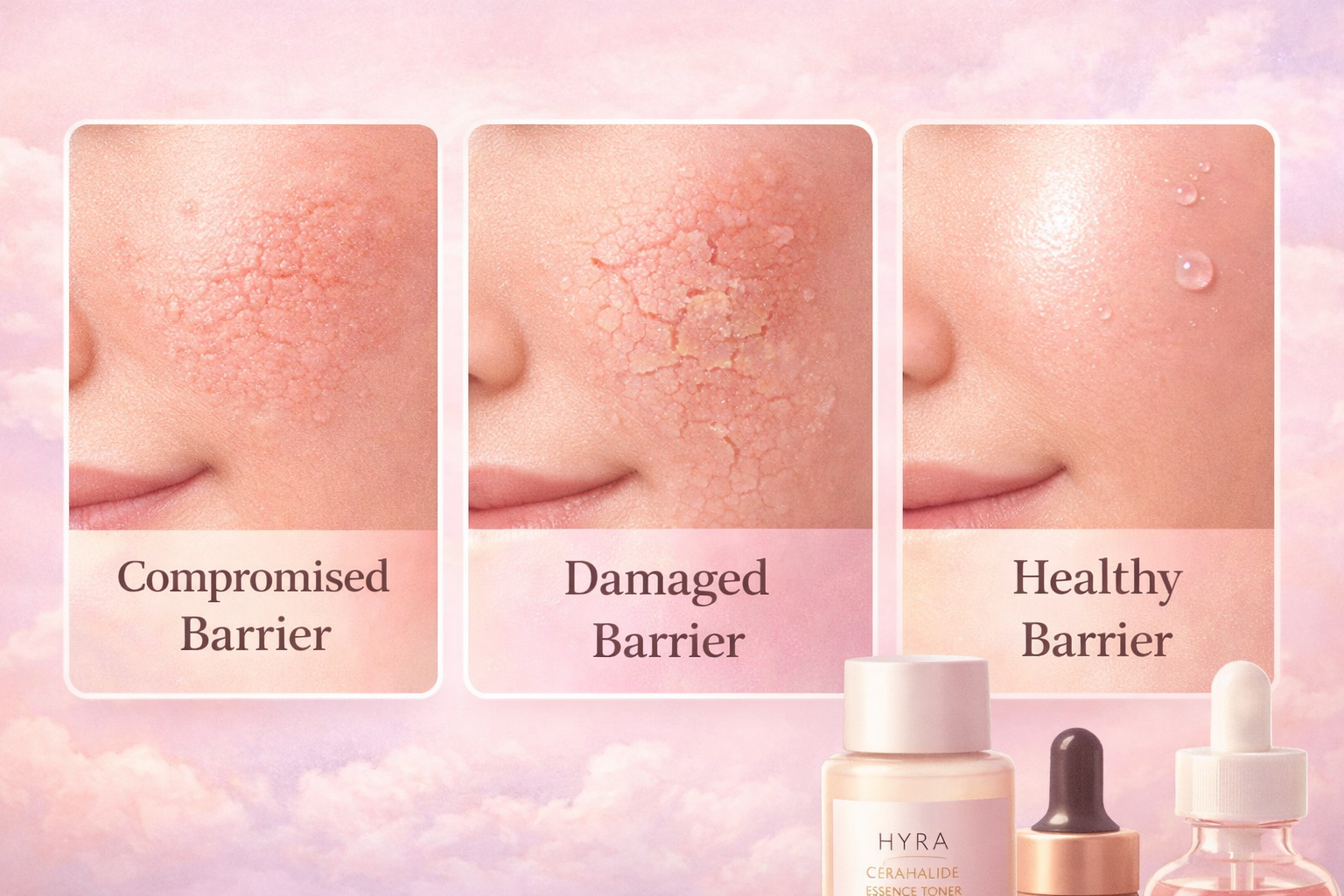
Compromised vs Damaged Skin Barrier: What's the Real Difference?
Quick Summary: Compromised vs Damaged Barrier
• A compromised barrier is weakened but repairable quickly
• A damaged barrier requires structured recovery
• Increased moisture loss is the key warning sign
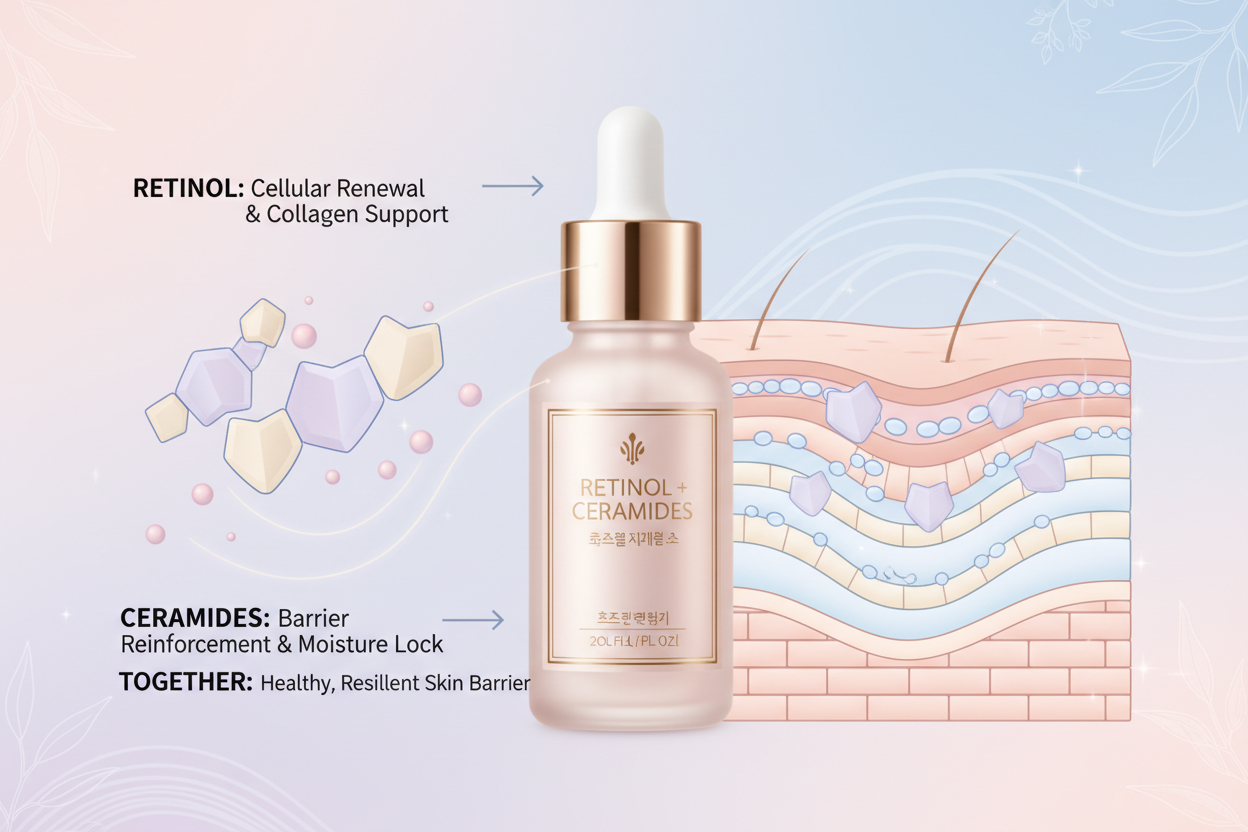
• Ceramides rebuild the lipid structure
• Retinol should only be used once skin is stable
• Gentle routines prevent long-term sensitivity
If your moisturizer suddenly stings, your barrier may already be compromised.
Why This Difference Matters
Many people think skin is either healthy or damaged, but dermatology research shows there is a middle stage — compromised skin barrier function.
This stage is when the barrier still works — but not well.
Once ignored, compromised skin can become fully damaged.
Your skin barrier is made of cells held together by lipids — especially ceramides, cholesterol, and fatty acids.
When these lipids decline:
✓ Moisture escapes
✓ Sensitivity increases
✓ Redness appears
✓ Irritation becomes frequent
This moisture loss is called transepidermal water loss (TEWL) — one of the clearest signs that barrier function is weakening.
What Is a Compromised Skin Barrier?
A compromised barrier is weakened but still functional.
Typical signs include:
✓ Occasional tightness
✓ Mild dryness
✓ Slight redness
✓ Increased sensitivity
✓ Seasonal irritation
Dermatologists note that compromised skin often feels:
✓ Dry
✓ Flaky
✓ Tight
✓ Reactive to products
At this stage, recovery is usually fast.
What Is a Damaged Skin Barrier?
A damaged barrier is structurally disrupted.
Signs include:
✓ Burning sensation
✓ Persistent redness
✓ Peeling
✓ Product stinging
✓ Chronic dryness
Medical sources list symptoms such as irritation, flaking, and inflammation when the barrier becomes impaired.
Recovery takes longer because lipid structures must rebuild.
Compromised vs Damaged Barrier (Quick Comparison)
Compromised Barrier:
• Mild sensitivity
• Temporary dryness
• Occasional irritation
• Fast recovery
Damaged Barrier:
• Constant irritation
• Stinging products
• Persistent redness
• Slow recovery
How Barriers Become Compromised
Most compromised barriers develop from everyday habits:
✓ Over-cleansing
✓ Excess exfoliation
✓ Weather changes
✓ Indoor heating
✓ Harsh products
When lipids decline, TEWL increases and skin becomes vulnerable.
How to Repair a Compromised Barrier
Recovery is usually straightforward.
Step 1 — Simplify Your Routine
Use:
✓ Gentle cleanser
✓ Hydrating toner
✓ Barrier cream
✓ Sunscreen
Learn how to structure a routine in our simple K-Beauty routine guide.
Step 2 — Rebuild With Ceramides
Ceramides strengthen the lipid barrier and reduce moisture loss.
Barrier-supporting Korean formulations like V'anhalla Ceramide Essence Toner help restore hydration and calm irritation.
This is often enough to restore compromised skin.
Step 3 — Avoid Aggressive Actives
Pause temporarily:
✓ Retinol
✓ AHAs
✓ BHAs
If your skin still tingles, wait.
How to Repair a Damaged Barrier
Damaged barriers require a structured approach.
See our complete guide to repairing a damaged skin barrier.
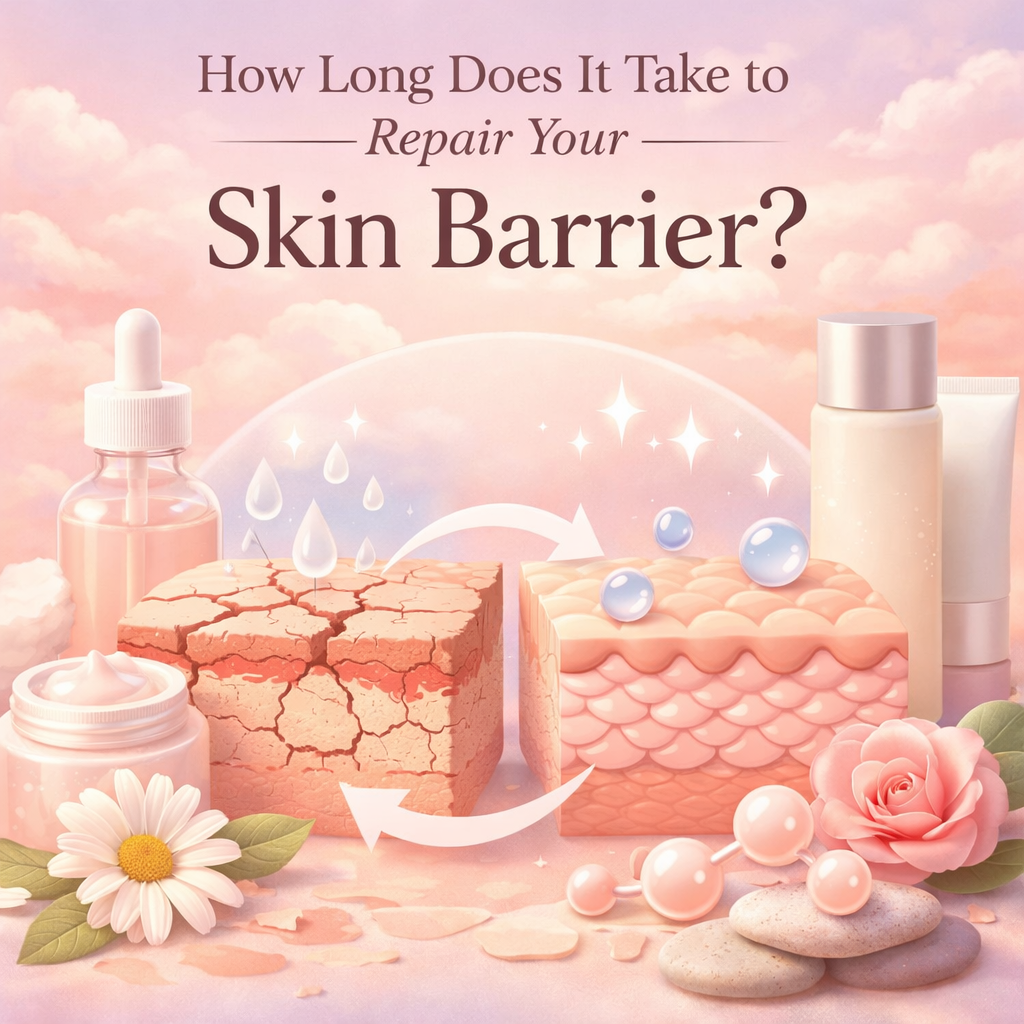
Recovery typically requires several weeks of consistent care.
When Retinol Can Be Reintroduced
Once the barrier feels stable:
✓ No stinging
✓ No redness
✓ No tightness
You can gradually reintroduce retinol.
Balanced formulas like V'anhalla Retinol 3R Serum combine pure retinol with 2% Bakuchiol and peptides for gradual renewal with less irritation.
This approach supports skin renewal while protecting barrier health.
Personalized Routine Matters
Barrier repair depends on:
✓ Skin type
✓ Climate
✓ Product selection
If you're unsure what your skin needs, take the Korean Skincare Quiz to build a personalized barrier-safe routine.
Why Korean Skincare Focuses on Barrier Stability
Korean skincare emphasizes maintaining a stable barrier instead of aggressively treating problems.
When the barrier is strong:
✓ Hydration improves
✓ Retinol works better
✓ Skin becomes more resilient
✓ Sensitivity decreases
Barrier-first routines create long-term skin health.
Final Thoughts
Understanding the difference between compromised and damaged skin prevents long-term irritation.
Early repair is easier than recovery after severe damage.
Healthy skin starts with a strong barrier — and consistent care keeps it that way.





Leave a comment
This site is protected by hCaptcha and the hCaptcha Privacy Policy and Terms of Service apply.